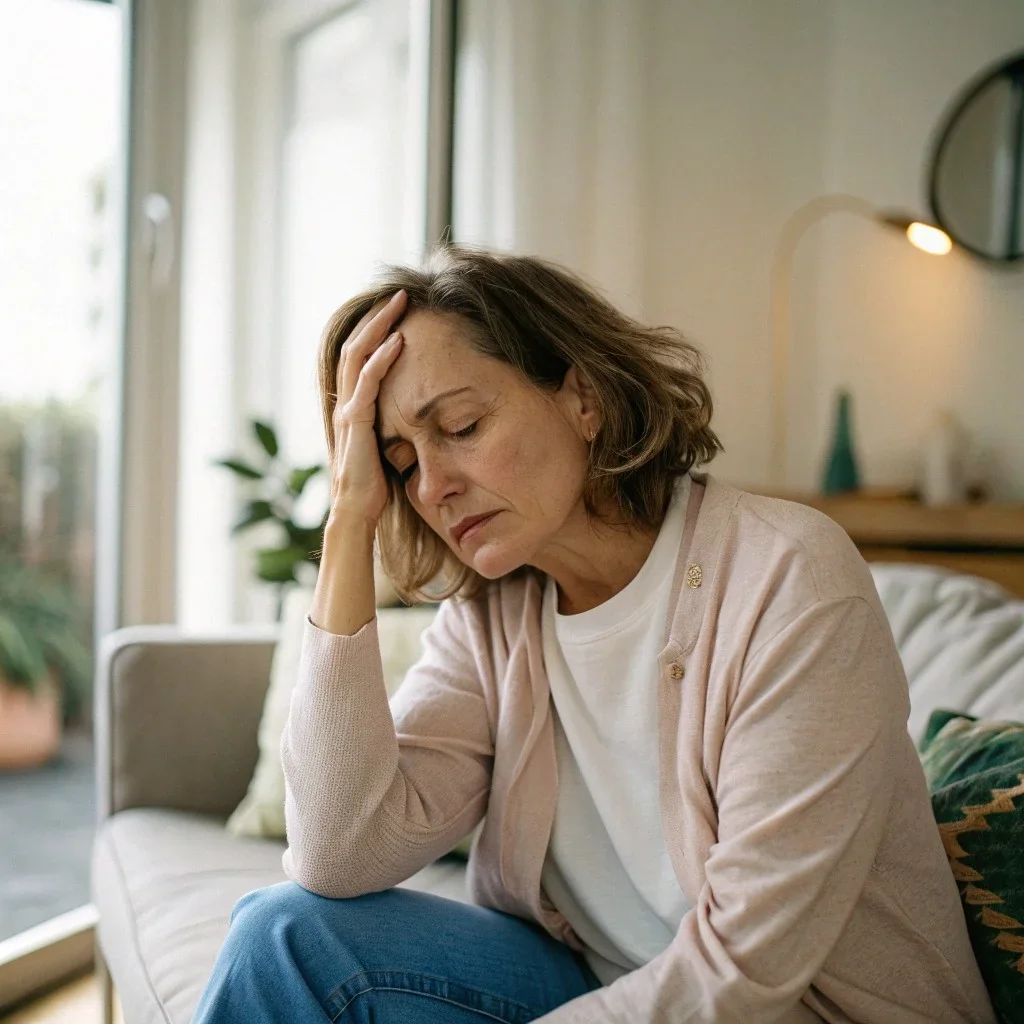
Female low libido is a persistent, distressing decrease in sexual desire not fully explained by another condition. It is one of the most common sexual health concerns women raise and grows more frequent as hormone levels shift during perimenopause and menopause. The cause is usually a mix of hormonal, physical, and emotional factors, so a thorough evaluation guides treatment better than a quick fix.
Understanding Female Low Libido
Answer: Female low libido is a persistent, distressing drop in sexual desire that is not fully explained by another medical condition or relationship issue alone. It is one of the most common sexual health concerns women raise and grows more frequent as hormone levels shift during perimenopause and menopause.
Low desire is rarely a single problem. It usually reflects hormonal, physical, and emotional factors working together, which is why a thorough evaluation matters more than a quick fix. Estrogen, progesterone, other sex hormones, thyroid hormones, prolactin, and cortisol all influence desire and interact, so when libido falls the cause is often a measurable imbalance that a standard checkup never tested for. Comprehensive hormone testing plus a detailed history identifies the actual drivers in your case, and a plan is then built around them rather than a generic protocol.
What causes low libido in women?
Answer: The most common drivers are declining hormone levels, chronic stress and poor sleep, certain medications, vaginal dryness or pelvic discomfort, and emotional or relationship strain, and these factors frequently overlap.
Hormone change leads the list. Estrogen supports intimate tissue health and comfort while other sex hormones play a direct role in desire and arousal, and thyroid dysfunction or elevated prolactin can lower libido as well. Ongoing stress raises cortisol and drains the energy desire requires, and some antidepressants, hormonal contraceptives, and blood pressure medications blunt desire as a side effect. The Cleveland Clinic notes that low sexual desire in women usually has overlapping physical, hormonal, and psychological roots rather than one cause, which is why an isolated fix often disappoints.
How is low libido evaluated and tested?
Answer: Evaluation pairs a detailed history with bloodwork, including a comprehensive hormone panel that typically checks estrogen, progesterone and other sex hormones, thyroid markers, and prolactin, sometimes alongside cortisol and general health labs.
A focused history clarifies when desire changed, what else shifted at the same time, and which medications or stressors are in play, while labs turn a vague symptom into a specific target. Standard wellness visits frequently skip the relevant hormone tests, so women are sometimes told their labs are normal when an incomplete panel simply missed the imbalance. Testing both the bound and free fractions of key hormones gives a clearer picture of what your tissues can actually use.
What are the treatment options for low libido?
Answer: Treatment is matched to the cause. Common options include hormone balance care and non-surgical vaginal tissue treatment, often combined with stress, sleep, and medication adjustments.
Because low desire is usually multifactorial, the most effective plans combine approaches rather than relying on one. The table below compares the main in-clinic options by how they work and who they tend to suit.
| Option | How it works | Best suited for |
|---|---|---|
| Hormone replacement therapy | Works to bring hormone levels back into a functional range, guided by your labs and follow-up testing | Desire loss driven by perimenopausal or menopausal hormone decline |
| Vaginal rejuvenation | Addresses dryness, discomfort, and tissue changes that make intimacy painful | A physical barrier such as dryness or pain reducing interest |
Lifestyle work supports every option: improving sleep, lowering chronic stress, and reviewing medications with a prescriber can remove drags on desire that no single therapy resolves alone.
How does low libido connect to hormones and menopause?
Answer: Desire is closely tied to sex hormones that decline through perimenopause and menopause, which is why low libido often appears alongside hot flashes, sleep disruption, and vaginal dryness.
Several hormones contribute to women's sexual desire, and a decline in one can blunt interest even when another is addressed. The North American Menopause Society describes how the hormonal changes of menopause commonly affect sexual function, including desire, arousal, and comfort. Restoring balance across these hormones, rather than treating one in isolation, is usually what moves desire.
Is low libido reversible, and what is the outlook?
Answer: In most cases, yes. When the underlying cause is identified and treated, many women regain desire and satisfaction, and the earlier the root cause is found the more responsive the condition tends to be.
Outlook depends on cause and timing. Hormone-driven low libido often improves once levels are restored and monitored, while desire affected by medications or untreated medical conditions improves as those issues are managed. Low desire is not an unavoidable part of aging, and effective treatment is available at any stage of life, including after menopause.
When should you see a provider about low libido?
Answer: Consider an evaluation when reduced desire lasts for months, causes you distress, or strains your relationship, especially if it began with menopause, a new medication, or other unexplained symptoms.
A persistent and distressing change in desire is worth investigating rather than enduring. Care is led by Chief Medical Director Dr. Dawn Ericsson, MD, a board-certified OB/GYN, and the team looks at the full hormonal and physiological picture before recommending treatment. You can book an appointment to start with comprehensive testing and a plan built around your results.
Common symptoms
Symptoms evaluated at AgeRejuvenation include:
How we treat female low libido
Care plans are personalized to the root cause. Treatments include:
- Hormone replacement therapy: Hormone balance care, guided by your labs and your provider, works to bring hormone levels back into a functional range, directly addressing the hormonal decline that most often drives reduced sexual desire in women.
- Vaginal rejuvenation: Vaginal rejuvenation addresses dryness, discomfort, and tissue changes that can make intimacy painful or less satisfying, removing a common physical barrier to desire.